The Right Operator IsNever the Best-Known One.It Is the One Suited to the Asset.
Asset-SpecificSelection MethodologyFramework.
New Line Capital does not favor a single operator or brand. Evaluation begins with the individual asset, its positioning, target market, and operational profile, and proceeds through a structured sequence before any operator is approached.

Asset Thesis
Evaluation of physical capacity, site fundamentals, and highest-and-best-use asset positioning.
Market Positioning
Micro-market competitive set analysis to identify rate premiums and white space opportunities.
Destination Dynamics
Assessment of regional demand drivers, air access trajectories, and tourism infrastructure growth.
Brand Compatibility
Alignment between target guest demographic, target RevPAR, and operator brand equity.
Operator Capability
Direct track record of operational efficiency, labor optimization, and GOP margin defense.
Distribution Engine
Global sales engine, direct booking channel contribution, and loyalty program penetration.
Commercial Economics
Fee structure feasibility, key money support, technical service fees, and working capital needs.
Governance Alignment
Owner approval thresholds, annual budget controls, CapEx oversight, and key personnel selection.
HMA Structuring
Drafting institutional Hotel Management Agreements with rigorous performance tests and governance.
Long-Term Strategic Fit
Alignment with long-term asset strategy, capital preservation, institutional scalability, and future platform integration.
Distinct RolesIn Asset StrategyExecution.
A brand and an operator serve structurally distinct functions within a hotel asset. Clarifying this distinction is essential to effective operating architecture.

Brand
Defines market positioning, design identity, guest experience promise, global brand standards, distribution channel access, and enterprise loyalty ecosystem.

Operator
Delivers day-to-day management capability, operational systems, labor deployment, property management, local commercial execution, and GOP defense.
In some instances, brand and operator belong to the same hospitality group. In others, franchise or third-party management structures separate these roles.
New Line Capital sits between asset strategy and operating execution, coordinating the alignment between ownership, brand, operator, economics and governance.
Global OperatorEcosystemInfrastructure.
New Line Capital operates across a broad international operator and brand ecosystem, enabling asset-specific evaluation rather than formulaic deployment.
The ecosystem represents strategic operator capabilities and potential positioning compatibility not a ranking, endorsement, or claim of exclusivity.
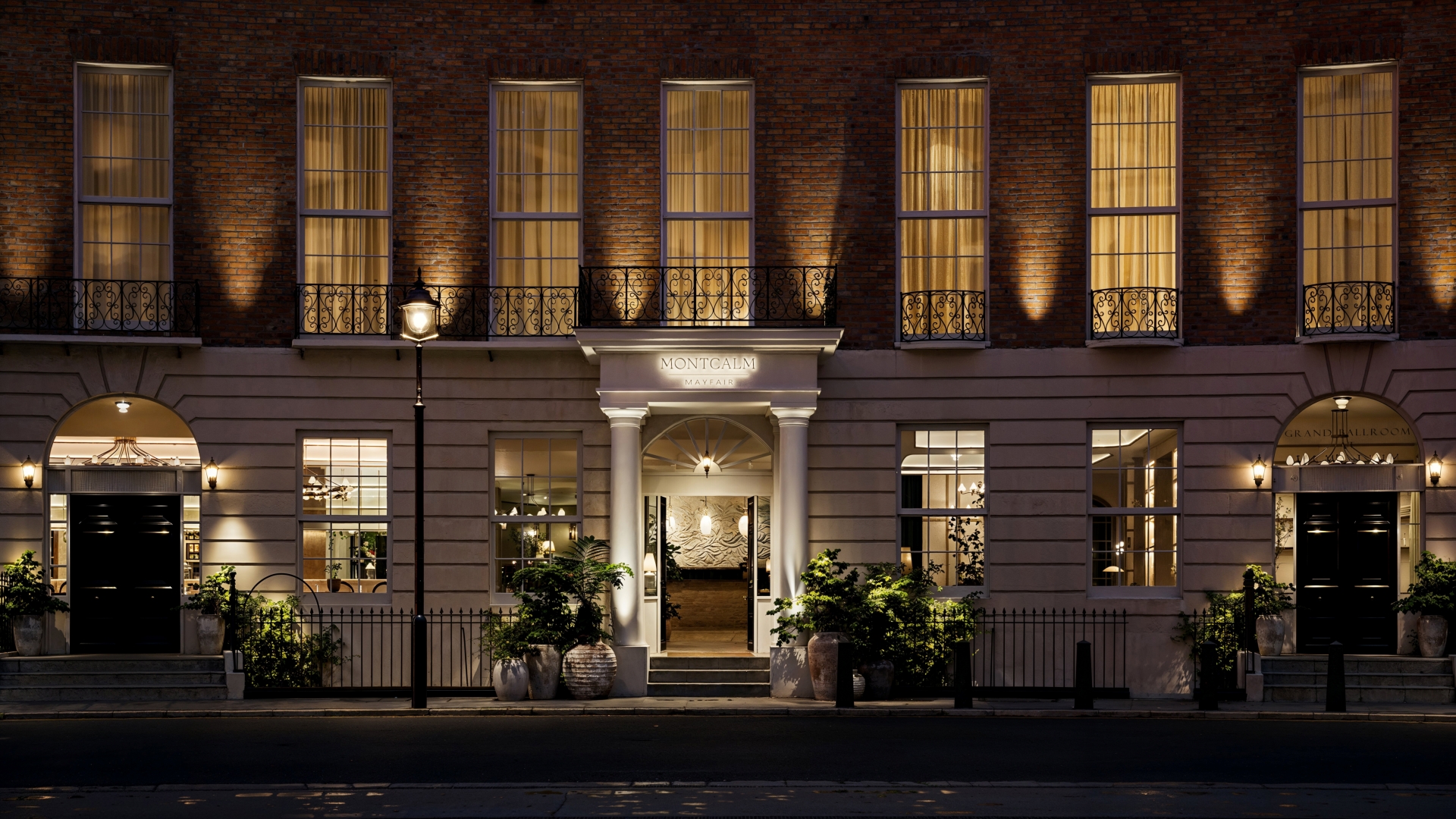
Positioning DeterminesThe OperatorArchitecture.
These are architectural categories, not a hierarchy of prestige each represents a different operating capability, not a different standard of quality.
The appropriate category depends on the asset thesis, destination, positioning and long-term operating strategy.
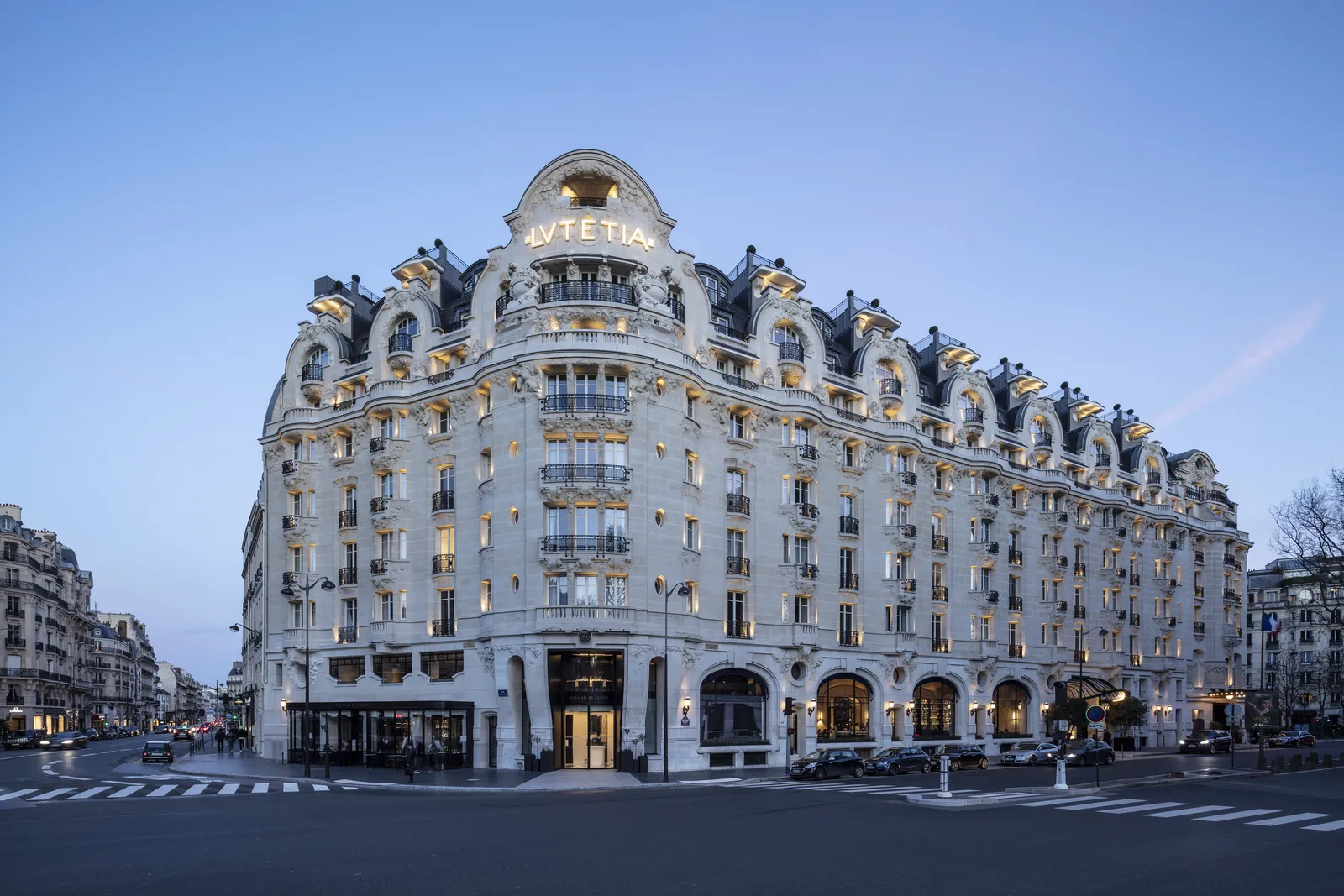
Ultra Luxury
Bespoke service architectures, ultra-high ADR potential, low room density, and elite brand prestige.
Aman, Four Seasons Hotels & Resorts, Mandarin Oriental Hotel Group, Rosewood Hotel Group, Oetker Collection, Dorchester Collection, Kerzner International, Jumeirah Group, Kempinski Hotels, The Peninsula Hotels, Maybourne Hotel Group
Luxury
Institutional luxury scale, global corporate/leisure demand capture, and powerful loyalty integration.
Marriott International, Hilton, Hyatt Hotels Corporation, Accor, IHG Hotels & Resorts, Minor Hotels, Rocco Forte Hotels, Capella Hotel Group, Langham Hospitality Group, Indian Hotels Company (IHCL), LVMH Hospitality, Meliá Hotels International, Barceló Hotel Group, Iberostar Hotels & Resorts, RIU Hotels & Resorts
Lifestyle Luxury
High food & beverage revenue density, experiential programming, and design-led market differentiation.
Viceroy Hotels & Resorts, Banyan Group, Palladium Hotel Group
Global Scale Platforms
Unrivaled enterprise distribution, cross-selling capabilities, fee efficiency, and operating resilience.
Marriott International, Hilton, Accor, IHG Hotels & Resorts, Hyatt Hotels Corporation, Minor Hotels
Selection Is OnlyThe BeginningOf Operating Alignment.
Identifying candidate brands is only the initial step. New Line Capital leads negotiations across financial, technical, and governance terms to ensure alignment before execution.
Brand Identification
Multi-brand screening based on asset thesis, physical envelope, and target positioning.
Positioning Alignment
Harmonizing brand technical standards with owner capital expenditure budgets and target ADR.
Commercial Negotiation
Structuring base management fees, incentive fees, key money commitments, and technical fees.
Brand Approval
Managing formal brand committee review, owner disclosures, and regulatory clearances.
HMA / Operating Structure
Structuring institutional agreements with owner protection, approval rights, and governance alignment.
Implementation
Coordinating transition timelines, pre-opening budgets, system onboarding, and commercial launch.
The InstitutionalOperatingFramework.
The Hotel Management Agreement (HMA) serves as the institutional operating framework connecting ownership, brand, operator, governance and asset strategy over time.

Ownership
Retains title and long-term strategic direction of the asset.
Brand
Defines positioning, identity, standards and distribution.
Operator
Delivers day-to-day management, systems and commercial execution.
Governance
Owner approvals, reporting and oversight mechanisms.
Performance
Alignment of incentives between owner and operator.
Strategic CoordinationAcross The AssetLifecycle.
New Line Capital occupies the coordination position between owner and operator structuring and supporting the relationship without operating the hotel directly.

New Line Capital occupies this position throughout the life of the asset not only at the point of selection.
Its role is to coordinate the relationship between ownership, brand, operator, governance and long-term asset strategy.
Operator AlignmentIn The ValueArchitecture.
Operator selection, structured through positioning and brand alignment, is intended to support operating performance, RevPAR development, and the long-term capital value of the underlying asset.